Methodologies of Tunnels and the Technologies behind them
The engineering, design and construction of tunnels is perhaps one of the most complex challenges within the realm of civil engineering. The range of the earth’s topography requires that each tunneling project be tackled and broken down based on its own set of features. This reality trademarks the risks associated with both the construction and operation of underground tunnels.
The layout of a tunnel is determined in part by its use, length and depth, soil and geological conditions, topography and the constructions that surround it. For nearly every earthly condition, a technique or mixture of techniques of tunneling has been designed and engineered to offset various stressors and pressures when creating a void underground. With longer tunnels it is not unusual to have various synergies of attributes, thereby further complicating the design and building process. For every construction process, there are numerous perils and exposures that are taken into account.
This is the reason it is important to specify what type of tunnel one is dealing with. There are 4 types of tunnels, hard rock, soft ground, subaqueos (underwater) and cut and cover.
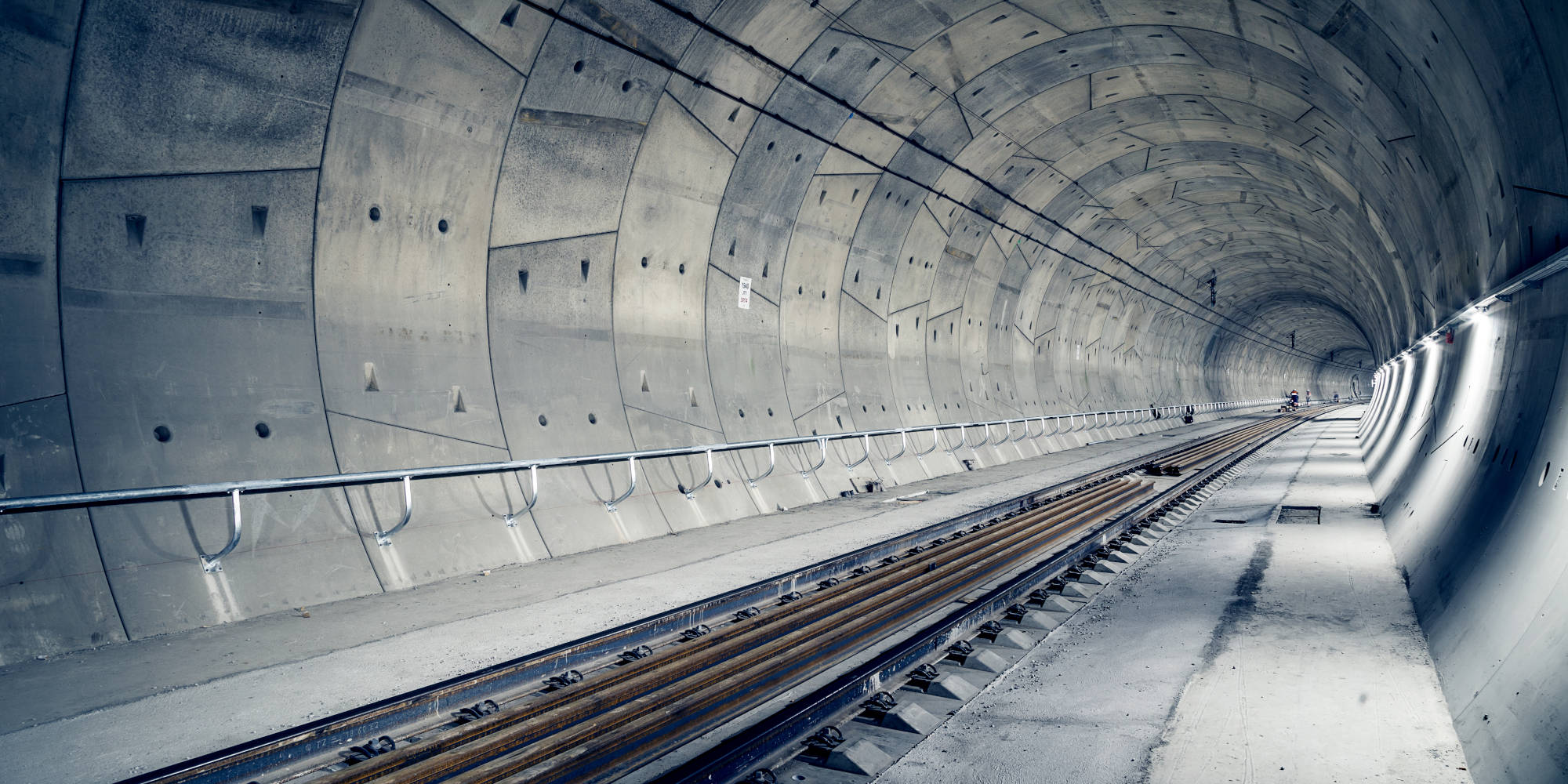
Avoid the negatives associated with traditional detonation
HARD ROCK TUNNELS
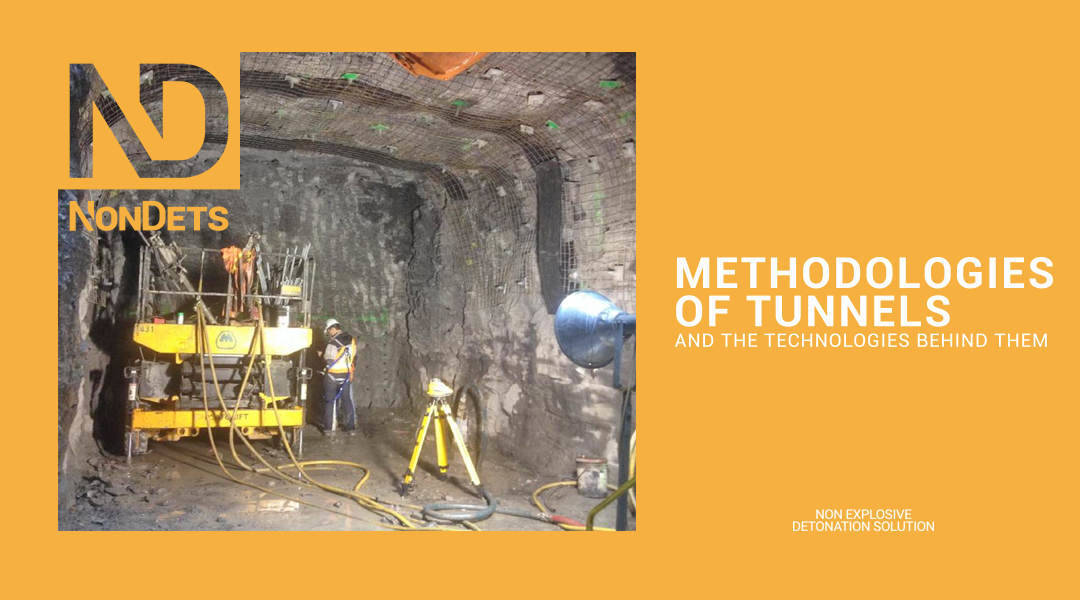
Hard Rock Tunnels are excavated in a solid, viscous channel that can vary from relatively soft marl and sandstone to the very hard igneous rocks such as granite. These tunnels are characterized by drilling, boring or blasting operations.
SOFT GROUND TUNNELS
This category includes all tunnels built in soft, plastic or non-cohesive soils, such as silt or clay, where water may or may not be a problem. Soft ground generally can be readily excavated by spade, pick or shovel, although most soft ground tunneling today is done by means of shields in free or compressed air and other mechanized methods.
SUBAQUEOUS TUNNELS
Built by various methods under rivers, harbours or other waterways, underwater tunnels are used when evacuation needs’ or land use prevents erections of bridges.
CUT AND COVER TUNNELS
These types of shallow-depth tunnels include utility, sewer and fast passage tunnels. These tunnels are designed as a hard-line frame box structure. Due to the general limited space available for construction in urban areas, these tunnels are usually constructed within a neat line excavation using braced supporting walls. Where the tunnel is beneath a city street, the cut and cover method will cause interference with traffic. This is lessened with the use of decking over the excavation, which is left in place whilst building is proceeding below until final backfilling and surface restoration can be done.
The beauty of our Non-detonating patented technology is that it can be used with the various different tunnels and co-ordinated with all the existing technologies.