The Effects of the 4th Generation Industrial Revolution in the Mining Industry
Disruptive Technology in the Explosives industry The Fourth Industrial Revolution is a concept, an idea and a process. According to Klaus Schwab, Founder and Chairman of the World Economic Forum, the fourth industrial revolution is evolving at an exponential rate. It is however intertwined with the third industrial revolution. The third industrial revolution took us deep into the world of the application of information and electronic technologies.
The fourth industrial revolution is now characterized by a fusion of technologies that is blurring the lines between the physical, digital, and biological spheres. Thus, the possibility of introducing disruptive technology to almost every industry in every country in the world. One of these disruptive technologies is the development of a deflagrating explosive cartridge to be used in robotic tunnelling and mining operations.
The chemical energy from high energy explosives are the most effective and economical methods to break hard rock and concrete materials in the mining and civil engineering industries, or so we thought. The energy created by the chemical reaction of the explosive material, is created by the release of gases at exceptionally high speeds. These form an ultra-high-pressure wave, defined as a detonation wave. The energy of the detonation wave is responsible for the destruction of material at an atomic level, which in turn results in damages in the infrastructure and losses in valuable ore material.
The explosives industry has kept up with the industrial revolutions over the years. However, the focus has been on the development of initiation systems instead of managing the chemical energy available to do the work. It is more profitable to sell millions of semi smart and smart igniter systems. André van Dyk, founder and innovator of the new revolutionary patented deflagration technology saw a gap in this industry and started to study the physics of breaking hard rock and concrete. From the studies it was clear that high explosives released far more energy than was needed to break the materials in an effective way. By using a combination of explosive materials and oxidizers, the author developed a mixture that will deflagrate on ignition, fast burning instead of detonating. This product has rendered critical advantages over high explosives.
The new deflagrating cartridges are manufactured in accurate pre-assembled cartridges. The chemical reaction creates virtually no toxic gases, in fact it creates 2% oxygen on ignition. Because there is no detonation shock wave that results in over breakages or damages and losses of valuable ore materials (when used in the mining operations), the new cartridge is safer to use. This technology allows for no over-breakages and no losses of existing ore materials.
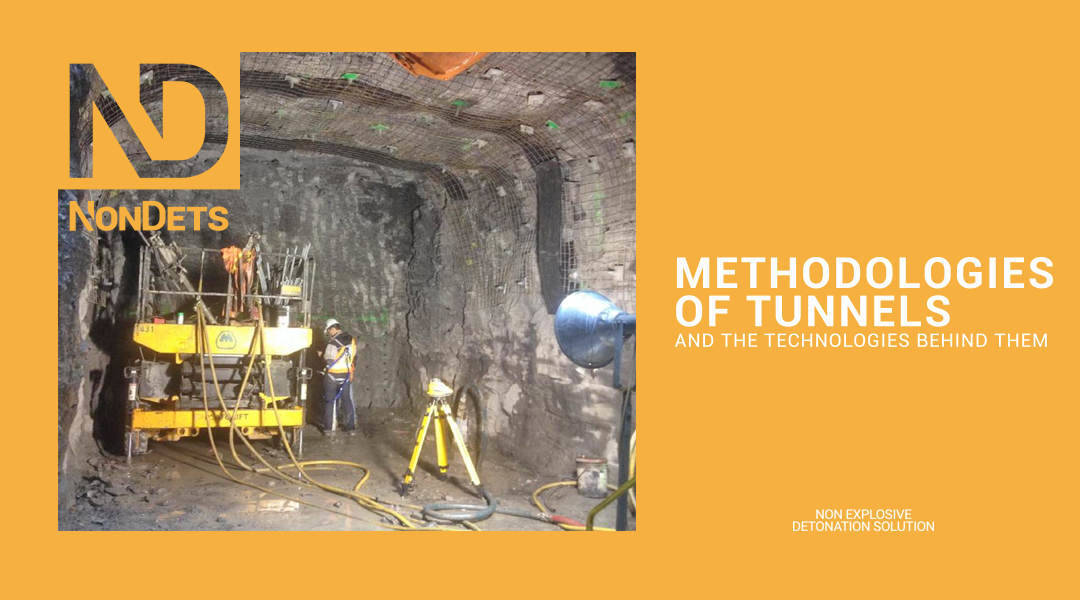
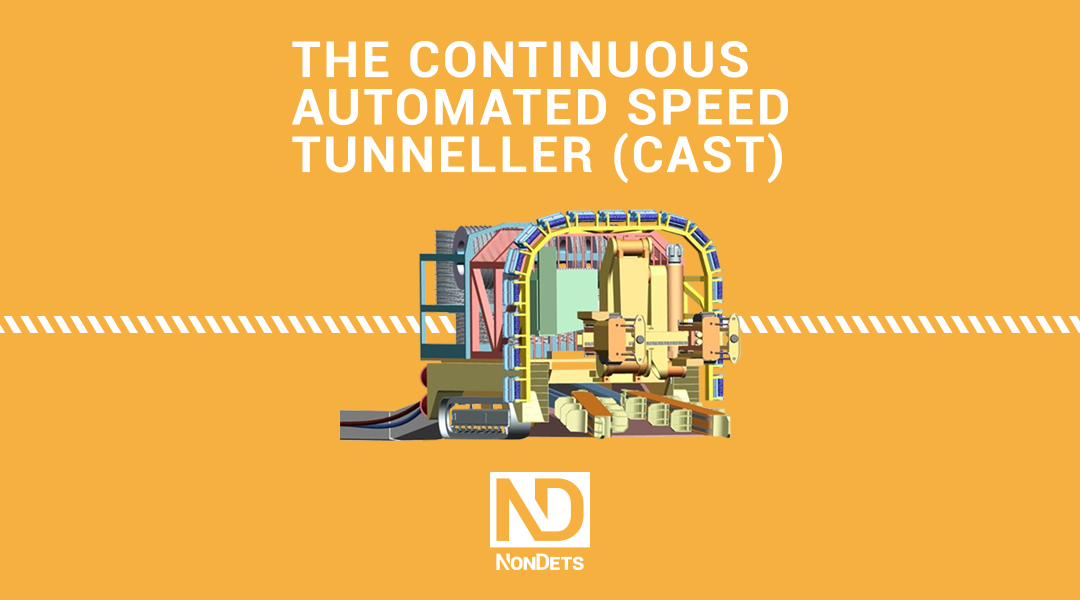
The 4th Industrial Revolution has had a further Impact on Robotic Technology to the Mining, Tunneling and Construction Sector. Robotic technology to the mining and tunnelling industry has become a reality, as our patented cartridges can be loaded into drop-in magazines. The robots can now drill the holes to the required size and spacing and then automatically and straight away place the cartridge into the hole and fire. This is all done without damaging the robot, as there is no detonation wave that can damage it.
This is a huge time and cost saving exercise. This is such an exciting new opportunity as for the first time in history robots can drill holes into the rock, place the cartridge and fire. All in one. This is done whilst the robot at the same time analyses the rock face, calculates the blasting pattern, maps the tunnel and removes the rock. This allows for parallel processing and speeds up the construction of tunnels, buildings or processing of ore bodies. This technology has been tested and used for over 20 years and it is growing from strength to strength.
André van Dyk Founder, Innovator and Developer of NonDets Product Technology and Solutions